
Join the ICONS
Dance ICONS is a global network for choreographers of all levels of experience, nationalities, and genres. We offer a cloud-based platform for knowledge exchange, collaboration, inspiration, and debate. Dance ICONS is based in Washington, D.C., and serves choreographers the world over.
Subscribe today to receive our news and updates. Become a member of your global artistic community -- join the ICONS!
KEERATI JINAKUNWIPHAT: OF [DANCE] DISHES AND [DANCE] DREAMS
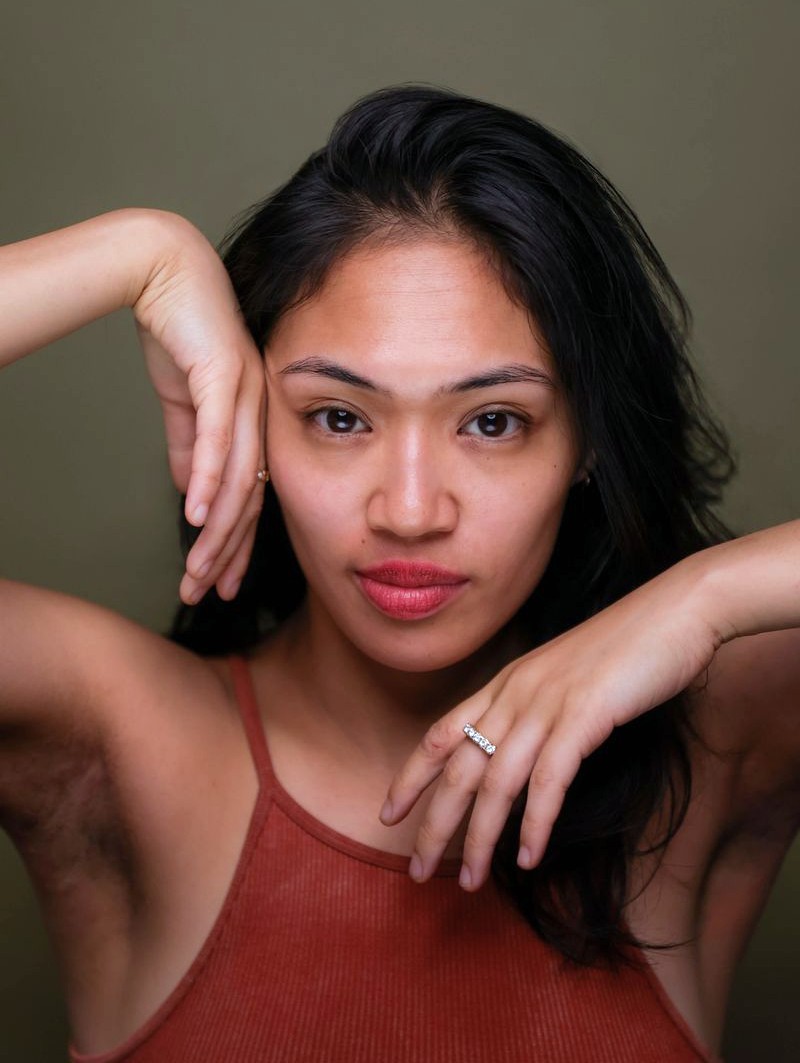
First-generation Thai American artist Keerati Jinakunwiphat is newer to the mainstages of large repertory dance companies. However, she is already making an impact on the dance field with her unique movement vernacular and sumptuous movement quality. A former dancer of Kyle Abraham/A.I.M. and recipient of the Princess Grace Award, she has created new works for Abraham’s company and the New York City Ballet, among others. Jinakunwiphat spoke to ICONS about her dance background, movement language, and her recent evening-length work commissioned by Baryshnikov Arts Center, which she also danced in and directed.
Dance ICONS: How did your journey in dance start?
Keerati Jinakunwiphat: My mom simply put me in dance class. She always jokes that it was because she wanted me to have good posture. I was also lucky to have done other activities growing up -- I did rhythmic gymnastics and figure skating, piano, violin, but I really connected with dance at the end.
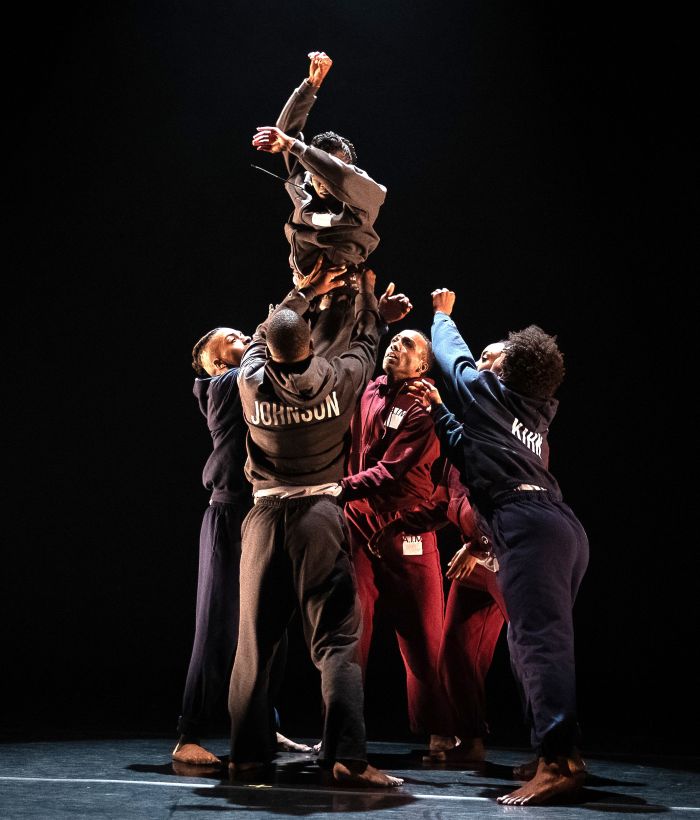
ICONS: As a performer, you’ve worked with many choreographers but specifically danced for Kyle Abraham for several years. Does your time with Kyle impact your choreographic process?
KJ: In terms of process, my time at AIM has impacted how I want to lead my choreographic space. I felt looked out and cared for by Kyle in my time there, and I want to make sure I continue to best support my dancers in the process. I think we have similar modern dance influences that have informed my movement language, and I have been inspired by how Kyle pushed me towards subtlety and vulnerability. He best impacts my choreographic process with his unwavering support for me and my work.
ICONS: How do you go about making each work? Are there steps that you take every time you choreograph?
KJ: It depends on the commission or the space. Some works are driven by a conceptual seed and more music-driven and others led by a conceptual seed. It depends on the collaborators as well and how those conversations get started. For this most recent piece, I was in conversation with the set designer from the beginning. I knew that's something I definitely wanted to do, and how that would affect the space, the work, and intertwining with props and other materials. Generally, every process starts with some quiet downtime to reflect on myself and what is coming up to the surface. So, that is a pretty consistent practice.
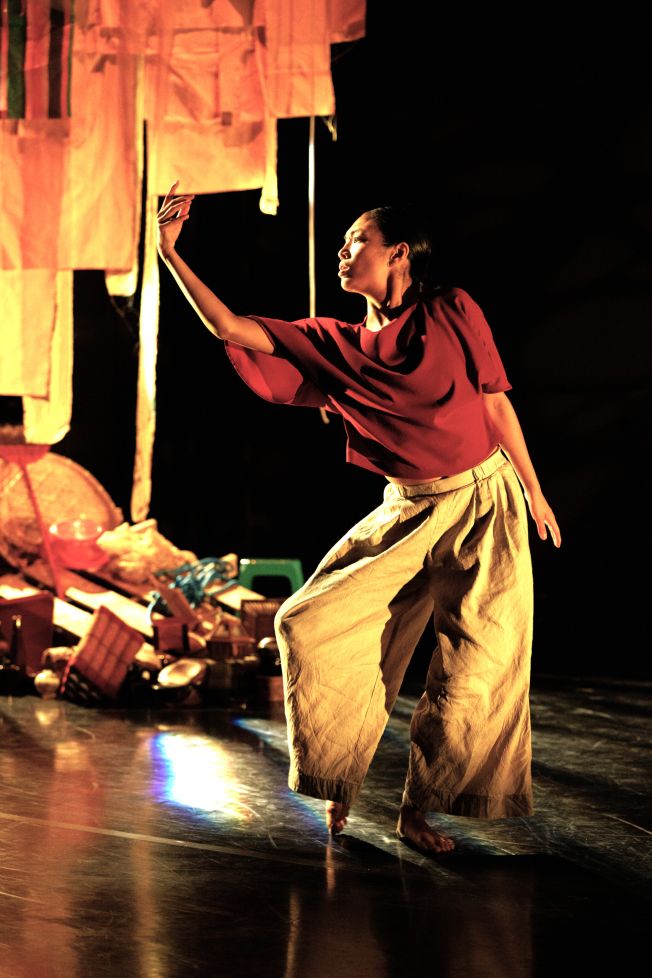
ICONS: You just had a commissioned season at Baryshnikov Arts for “Of Dishes and Dreams.” What was the inspiration for this work, and how did you go about making it?
KJ: This one was inspired by my childhood growing up in my family's Thai restaurant in Chicago. It was my first evening-length commission and I wanted it to be a work that I was going to dance in as well. A lot of it was inspired by the sounds of my life. I had recorded sounds from my family's restaurant, and then those were sent to music collaborators Quaba Ernest and Bryndon Cook to make the score that takes us to the sensory place.
I was really interested in collaborating with multidisciplinary artist Amanda Phingbodhipakkiya on set/scenic design. Her work brings so much beauty and power to our culture and it truly resonated with me. We have a lot of shared history, not only being Thai, but also both being restaurant kids and honoring our families, their sacrifices, and the overlooked labor of immigrant communities.
ICONS: You speak very openly about your Thai American heritage. How do you incorporate those vernaculars into your choreography?
KJ: Although this last work was very clearly culturally driven, all my works are blended that way. It's just part of me. The duality of being Thai-American shows up in my work by centering connectivity and community while illuminating the individuality in dancers and their unique traits. I am interested in how they coexist. My most recent work featured Thai contemporary music.
Misha [Baryshnikov] was really interested in it when I did my initial residency in 2024. The way he resonated with it made me realize the impact of using this score, and then it became the closing of the piece. It felt vulnerable for me to use the sounds that reflect my heritage and move in a way that also feels true to myself.
Additionally, I’ve had friends who were curious about what this work would look like if it was an all Thai/Asian cast. And obviously I hadn’t done that. I think it would’ve felt forced to me and this piece was about my Thai-American experience. My world and community are multi ethnic, similar to the restaurant in Chicago and the people who work with my parents, and I wanted my work to reflect that reality.
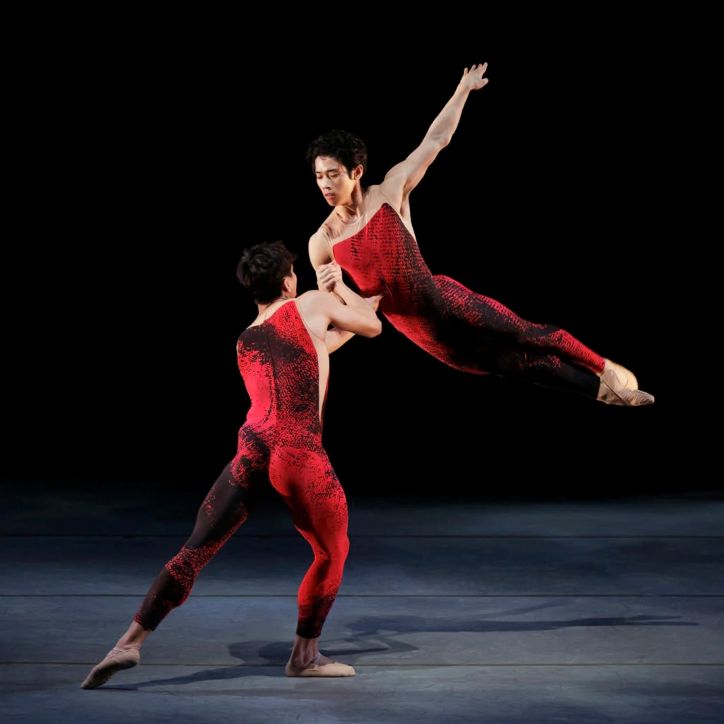
ICONS: How does choreographing for New York City Ballet compare to creating for contemporary companies?
KJ: NYCB can be very specific in their movement language, with their training in the Balanchine choreographic work which is a beautiful style. I think the movement translation to my vocabulary takes more time and care for what I may want to do. If I want to see more of myself in the work, I have to think about new ways to communicate and imprint exactly what it is that I want.
ICONS: In follow-up, what was it like to be the first Asian American woman to create on such a prominent company?
KJ: I was definitely processing it for a while. As artists, we already put enough pressure on ourselves, so when I was actually making the work, that was something I was trying not to think about and focus on the process. I wanted to do my best not just for me, but so that that door would remain open to others.
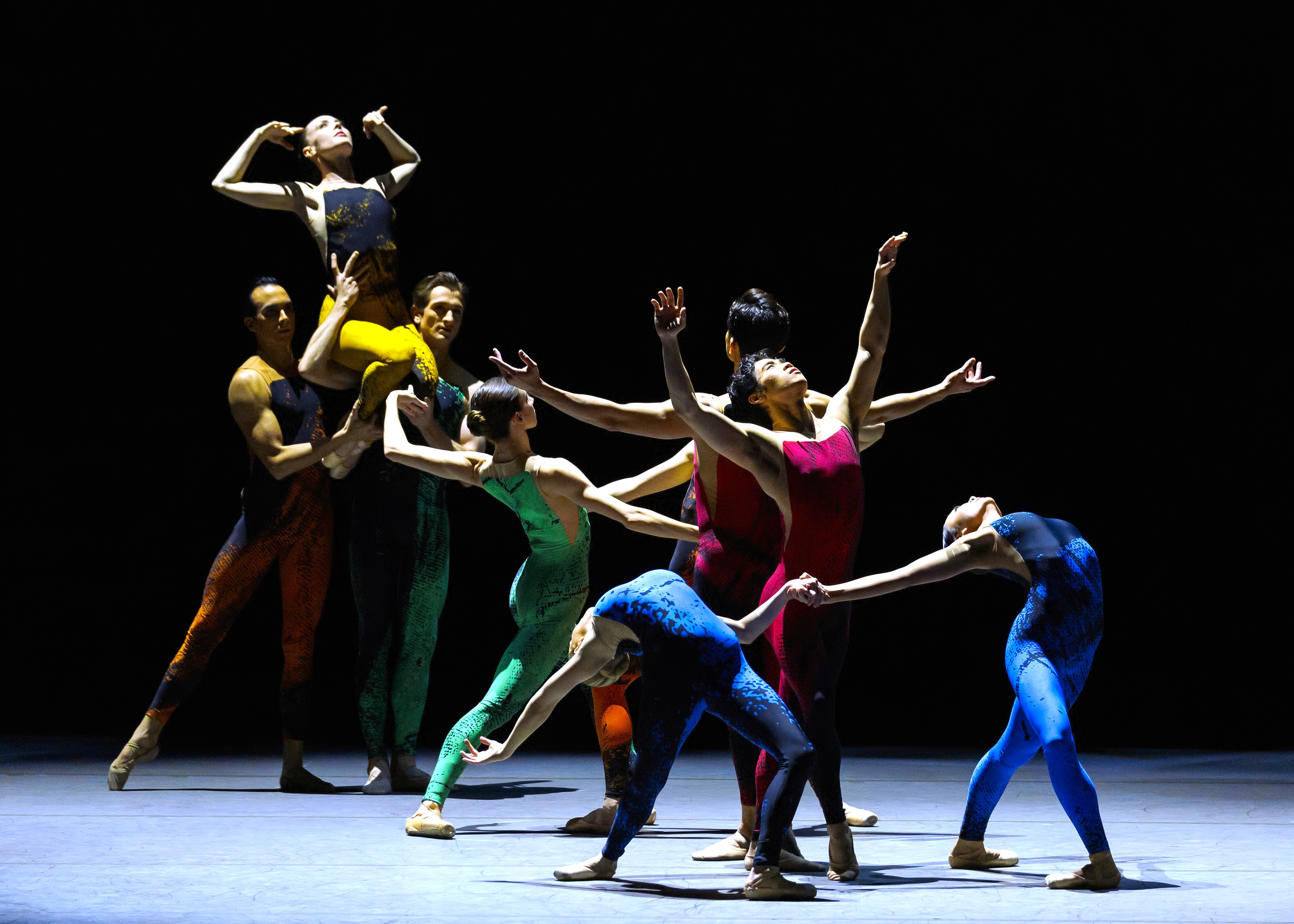
ICONS: What are 3 words you would use to describe your movement style and why?
KJ: Slinky. I really enjoy tactility and connectivity and using that word when I teach and relay my movement. Grounded. That's just a priority for me movement-wise, but also, I think energetically. My movement feels grounded and human for the most part. Momentous. I’m interested in how we shift and flow through space together and create something larger than ourselves.
ICONS: Do you enjoy dancing in your own work?
KJ: I was hesitant to and learned that other choreographers often feel similarly. This specific work began as a solo exploration, so it was integral for me to be in it, especially with the subject matter. Having this special group of friends and collaborators in this process, I felt supported to do so. I’ve created from inside the work, directing and feeding off the group, but also had my eyes on the other side and I could trust their feedback. Also, with technology nowadays, I would often review the tape or sections with the team like they do in sports.

ICONS: What excites you about being a choreographer in 2026?
KJ: I think that reminding myself, although being an artist can be difficult at times, that it really is a gift and a privilege. When we have these platforms and opportunities to share our voices and illuminate our stories, it is necessary that we do. It is important to invite people into our worlds, express our different perspectives and experiences, and I enjoy bringing people together over a shared moment by way of dance.
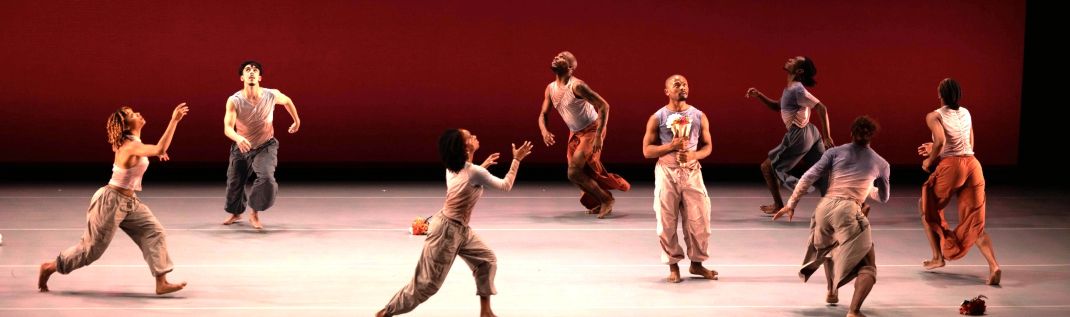
ICONS: You just made your first evening-length work. What would be the next big dream for you as a choreographer?
KJ: I think I want to do more of that on my own terms. I enjoy doing commissions for different companies too, but it was really fulfilling to see my vision with my collaborators and my own production come to life in a new way. I'd be excited to continue sharing and touring these works with different communities. I also want to expand and discover new opportunities on Broadway and the commercial world.
* * * * * * *
Biographical information can be found here.
Photography © Christopher Duggan © Erin Baiano © Maria Baranova
Video Trailer:
INTERVIEW'S CREATIVE TEAM ACKNOWLEDGMENTS:
Interviewer: Charles Scheland
Executive Content Editor: Camilla Acquista
Executive Assistant: Charles Scheland
Founding and Executive Director: Vladimir Angelov
Dance ICONS, Inc., January 2026 © All rights reserved
This digital resource and publication were made possible with funding from

