
Join the ICONS
Dance ICONS is a global network for choreographers of all levels of experience, nationalities, and genres. We offer a cloud-based platform for knowledge exchange, collaboration, inspiration, and debate. Dance ICONS is based in Washington, D.C., and serves choreographers the world over.
Subscribe today to receive our news and updates. Become a member of your global artistic community -- join the ICONS!
JESSICA LANG: BOUNDARIES THAT LEAD TO FREEDOM
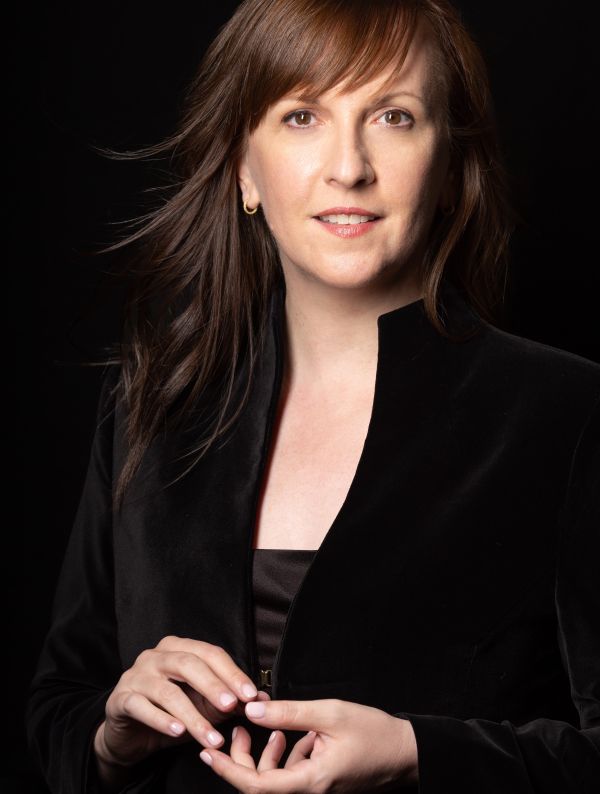
Accomplished American choreographer Jessica Lang has developed a choreographic style defined by her architectural approach to stage design, deep integration of visual arts, and seamless blending of classical ballet with contemporary movement. Instead of starting rehearsals with traditional rigid ballet vocabulary, she often begins with floor work, closed eyes, breath connection, and verbal imagination cues. She spoke with ICONS about her creative practices, innovative artistic ideas, and vision for the future of the choreographic art.
Dance ICONS: You moved quickly into choreography. How did that transition happen?
Jessica Lang: I graduated from Juilliard in 1997 and was fortunate to join Twyla Tharp’s company, THARP!, immediately afterward. Touring the world with Twyla was a dream come true, and I loved the first six months. Then, unexpectedly, I began to question whether performing was truly the path I wanted. I still loved dance, but I was reconsidering my place within it.
Benjamin Harkarvy, then director of Juilliard’s Dance Division, encouraged me to contact ballet companies and consider choreography alongside performing. He never suggested that I stop dancing; I reached that conclusion on my own. When Twyla closed the company in 1999, I had the chance to explore other possibilities. I was drawn to creating rather than performing, and choreography opened an entirely new world for me. I could not have predicted how naturally the transition would unfold.
Dance ICONS: Are there any essential elements you include in every choreographic process?
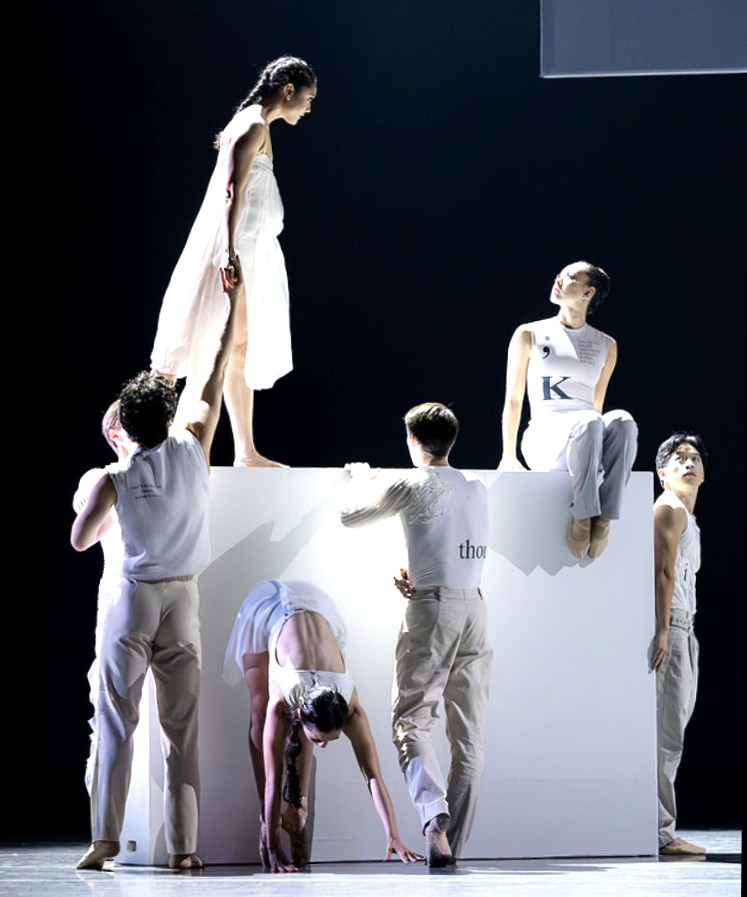
JL: Interestingly, the consistency in my process comes from the practical questions I ask at the outset: How much time do I have? When is the premiere? What else is on the program? Where will the work be performed, and who are the dancers? I also consider which other artistic voices might contribute. Together, these circumstances create the framework for the work.
Understanding those boundaries gives me tremendous creative freedom. Once the parameters are clear, I can imagine what is possible within them rather than impose a predetermined formula on a new ballet.
My experience and previous work inevitably influence me, but I am always seeking something new. Each commission brings distinct circumstances, and that is what keeps the creative process exciting.
Dance ICONS: How do you describe the genre of your choreography, and how do you feel about others defining it?
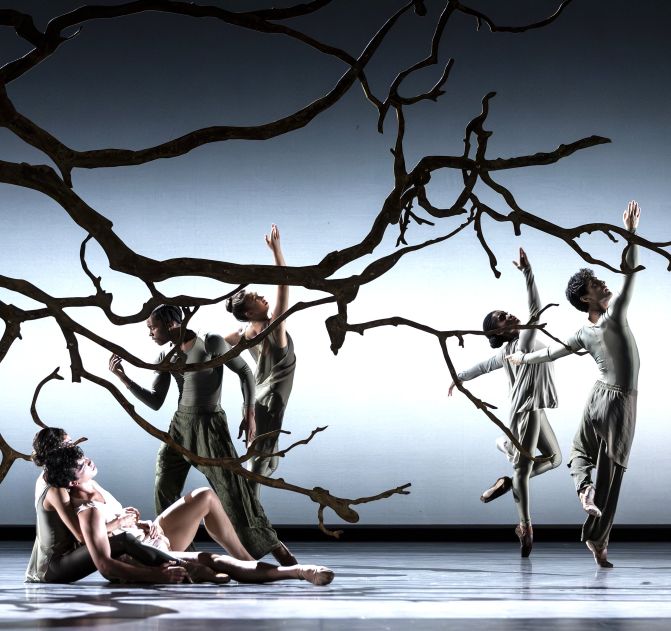
JL: I am comfortable with how others define my work and do not need to place it in one genre. I thrive in ballet companies, where my interests align with the dancers’ abilities. My early work balanced ballet and modern dance; over time, embracing pointe work has shaped my movement vocabulary. Ultimately, I focus less on categories and more on the individual dancer.
I respond to each dancer’s physicality, instincts, and personality. A work created with an American Ballet Theatre dancer may differ from one made with an Alvin Ailey American Dance Theater dancer. My choreographic identity remains consistent, but each artist shapes the movement differently.
That distinction matters to me. Rather than impose the same movement language on every dancer, I want to discover what becomes possible through the individuality of the artists in the room.
Dance ICONS: What led you to visual art and painting, and how does it influence your choreography?
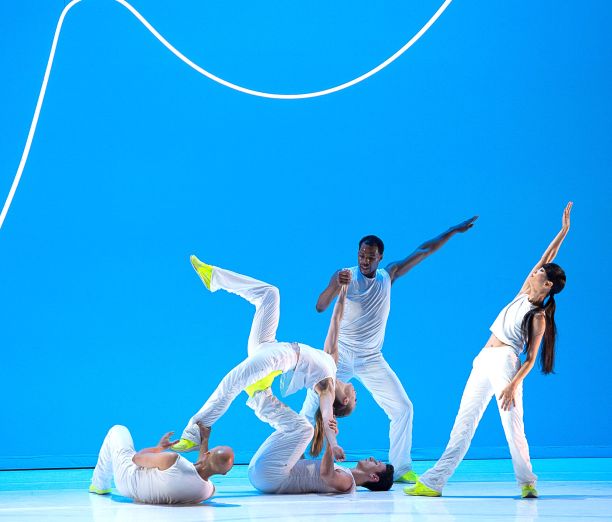
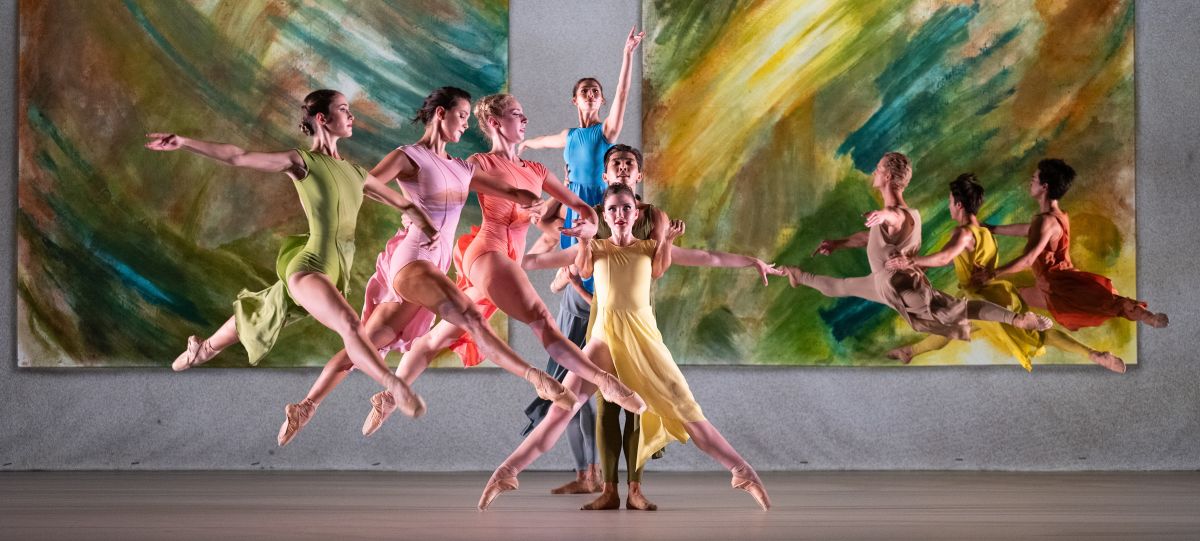
JL: I have always been a visual, hands-on person, describing choreography through sculpture and painting—sculpting bodies in space and composing images through movement. During the pandemic, my artist father taught me to paint over Zoom, and I fell in love with it.
Painting became a daily practice. Before entering the studio, I often paint small works while listening to the ballet’s music, warming up my imagination as painting and choreography increasingly inform each other.
Two paintings became the backdrop for Sarasota Ballet’s The Lorenz Butterfly. After its Jacob’s Pillow premiere, I was commissioned to create a nine-by-five-foot diptych. Painting is now an independent practice closely connected to my choreography. Sometimes painting inspires movement; other times, movement enters a painting. That exchange feels like a natural extension of my choreographic approach.
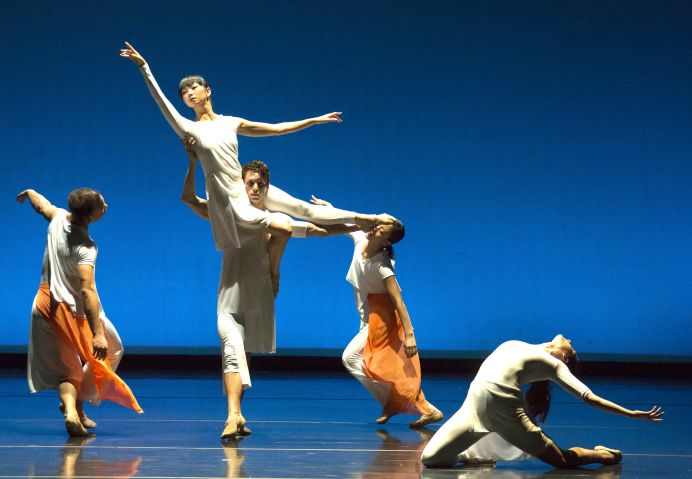
Dance ICONS: Which mentors have most influenced your artistic development and supported your career?
JL: My first choreography mentors, Bessie Schoenberg and Benjamin Harkarvy, shaped my early development at Juilliard. Though both died early in my career, their influence remains. Later, I met Mark Morris through my husband, Kanji Segawa, who danced in many of his productions. I came to know Mark through his company’s performances. He generously answered my questions about his work, the profession, and building a choreographic career. His honest guidance has been invaluable.
And, of course, there is Kanji. In our 27 years together, our creative partnership has grown alongside our personal relationship. His deep understanding, trust, and honesty have been vital to my artistic life.
Dance ICONS: You and your husband, Kanji Segawa, collaborate frequently. How does your partnership work in the studio?
JL: Years of working together have given Kanji and me an intuitive understanding of each other. Every process brings different artistic and logistical challenges, and we know how to read the room, respond to what it needs, and use our time with the dancers effectively.
Kanji is both an artistic and practical sounding board, and our roles remain fluid: we know when to lead, support, or step back. That balance gives the dancers clear, consistent direction rather than competing voices. Our trust and shared understanding have developed naturally and remain the foundation of our partnership.
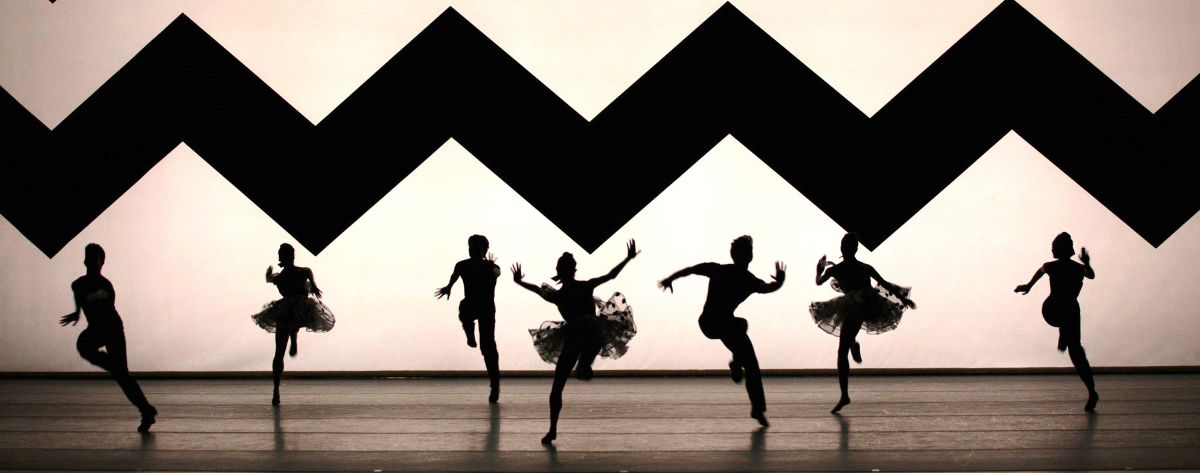
Dance ICONS: Alongside leading companies, you choreograph for schools such as The Royal Ballet School and other junior companies. What draws you to these commissions?
JL: I feel a strong responsibility when working with young dancers because formative experiences can shape their development as professional artists. Working directly with a choreographer helps bridge that transition. After creating a commission for The Royal Ballet, I worked with students at The Royal Ballet School, knowing that only a few would join the company. Their potential, however, extends far beyond that single path.
I want young dancers to experience professional-level artistic expectations, contribute their own instincts to new work, and develop confidence in their individuality. Preparing them to become thoughtful, adaptable artists—not just skilled dancers—is deeply meaningful to me.
Dance ICONS: You are starting a new production of Nixon in China at DAR Constitution Hall, and you have done a lot of opera choreography. How did you get into opera, and what keeps you coming back?
JL: Francesca Zambello introduced me to opera and mentors me in leadership and interdisciplinary collaboration. We began working together in 2013 on Pergolesi’s Stabat Mater, which opened a new artistic language for me. She later invited me to choreograph Aida, subsequently staged by several major opera companies, and paired Kanji and me for Turandot.
I am drawn to opera’s fusion of music, theater, movement, design, and storytelling. I am especially interested in movement that serves the drama. We are now preparing the March world premiere of O’Keeffe: Kiss the Sky at Washington National Opera, directed by Francesca, with music by Christopher Tin, a libretto by Kelley Rourke, and my choreography.
We have developed the work together for two years. This season, I am also choreographing Nixon in China while Kanji choreographs Madama Butterfly. Sharing a venue and resources allows our individual careers and creative partnership to intersect. My work is defined by new collaborators, dramatic languages, creative challenges, and artistic boundaries —there is always more to discover!
* * * * * * *
BIOGRAPHY: Biographical information for Jessica Lang can be found HERE
PHOTOS: Headshot © Rosalie O'Connor, performance photos © Angela Sterling © Christpher Duggan © Todd Rsoenberg © Rosalie O'Connor
VIDEO TRAILER: Jessica Lang's Ghost Variations for Pacific Northwest Ballet – an excerpt
INTERVIEW’S CREATIVE TEAM ACKNOWLEDGMENTS:
Interviewer and Programming Manager: Charles Scheland
Content Editor: Camilla Acquista
Founding Director: Vladimir Angelov
Dance ICONS, Inc., November 2026 © All rights reserved
This digital resource and publication were made possible with financial support and funding from

