
Join the ICONS
Dance ICONS is a global network for choreographers of all levels of experience, nationalities, and genres. We offer a cloud-based platform for knowledge exchange, collaboration, inspiration, and debate. Dance ICONS is based in Washington, D.C., and serves choreographers the world over.
Subscribe today to receive our news and updates. Become a member of your global artistic community -- join the ICONS!
JIŘÍ KYLIÁN: COURAGEOUS FRAGILITY
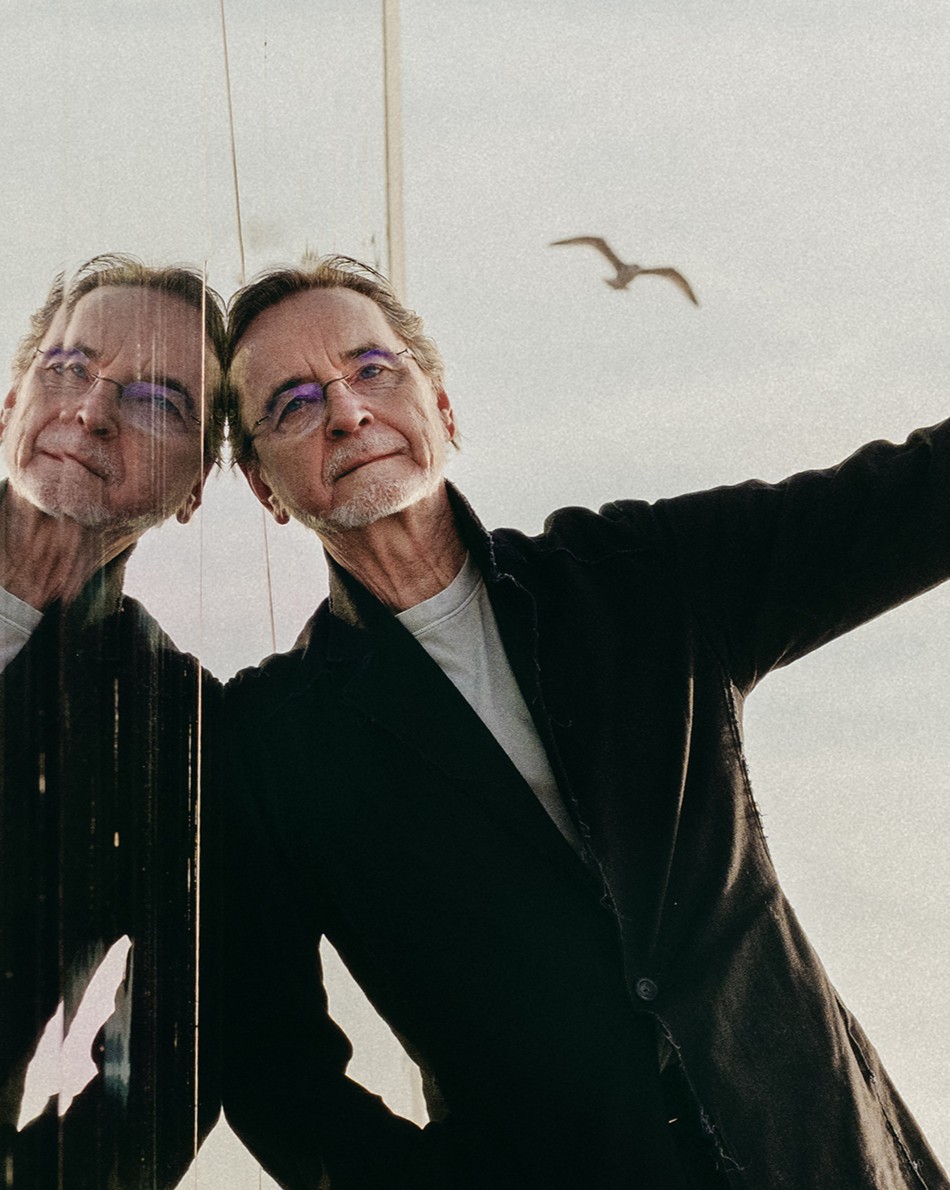
Dance icon, celebrity, renaissance man. These words could have been coined for preeminent Czech choreographer Jiří Kylián, who for decades effortlessly blended wit and wisdom in movement full of contemporary expressive intensity. He was intimately associated with Nederlands Dans Theater - NDT, which he directed for 24 years by creating nearly 100 original works and a wealth of talented young choreographers ensuring its legacy into the future. ICONS is honoured to share his wise words with you.
DANCE ICONS: When did you start to choreograph?
Jiří Kylián: My first attempts were at the School of the National Ballet Prague and then later at the Conservatoire where I made works for my fellow students. Coming to London on a scholarship opened the world of Nureyev, the Beatles, and everything else for me. I met John Cranko and was offered a contract with Stuttgart Ballet. Cranko was not afraid of rivalry and made his company available to young choreographers like me. I made Paradox for his choreographic workshop and later more works for the company.
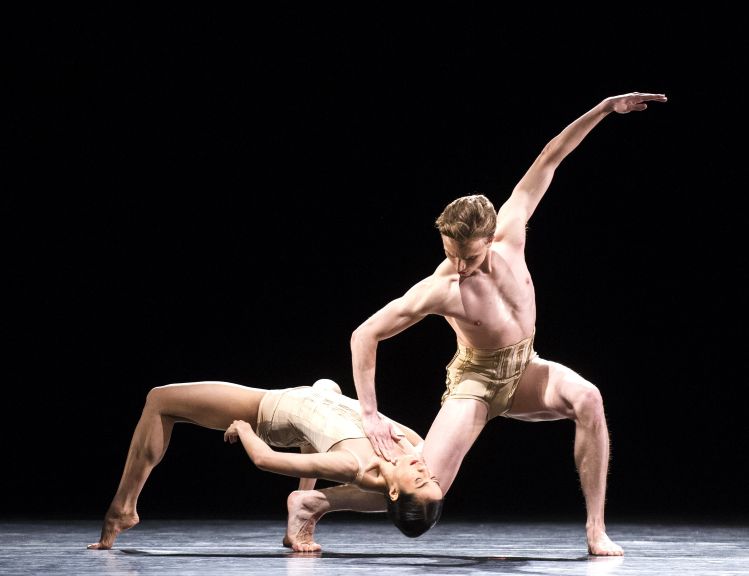
DANCE ICONS: When did you start to see yourself as choreographer rather than dancer?
JK: I came to the realisation that, through dance, I could express feelings for which there are no words. I remember how good it felt to make what was happening inside me visible. And I discovered that I could express everything that I wanted through the bodies of other dancers much better than my own.
DANCE ICONS: What inspires you to create? Where do your ideas come from?
JK: I think, really, that if you are aware of your environment, of what is going on around you, and if you are receptive, then inspiration comes from everywhere.
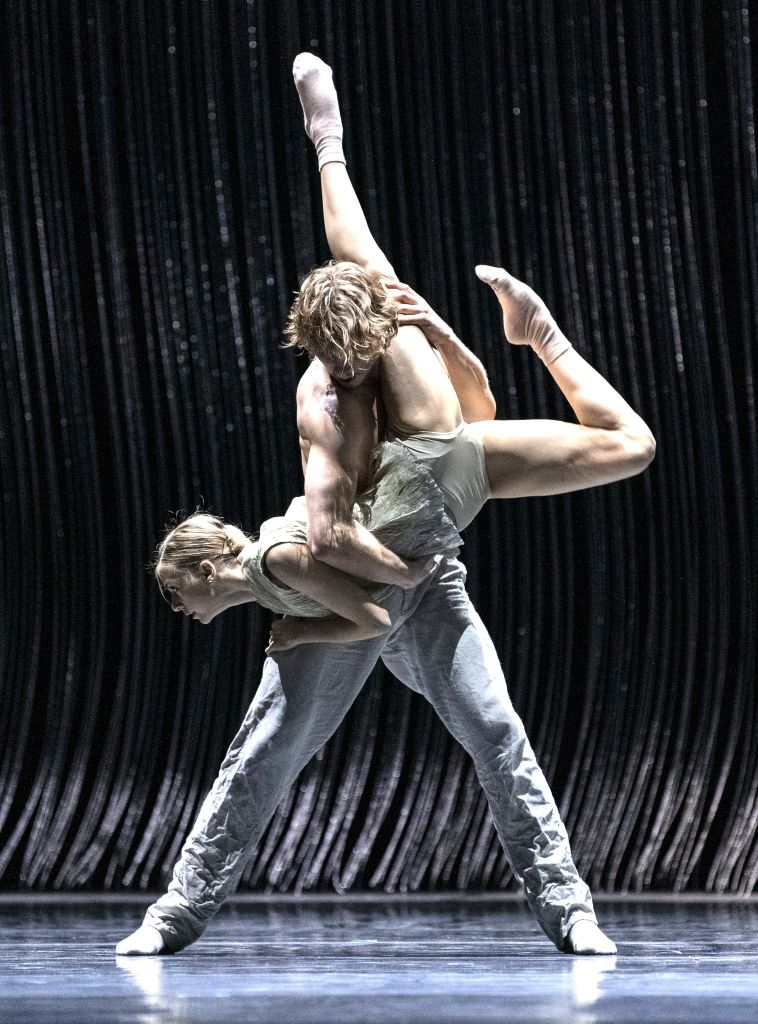
DANCE ICONS: How much do you prepare before you meet the dancers in the studio?
JK: When I was young, I used to be very prepared. I knew every step. I knew the music. I knew everything, so basically, I taught the steps to the dancers. But this changed over the years. I still prepare as much as I can, but actually, it is the creativity of the dancers that brings the piece to life and I really enjoy engaging the dancers in a creative way; it’s much more exciting. Now I dare to say to a dancer, “I have no idea. Do you?”
This creative exchange is very complex. Imagine that I have an idea; the dancer has to understand it and then convey that idea to the viewers—who have to understand it. To make that triangle work is sometimes quite tough, but it’s also a beautiful time.
In this triangle—choreographer, dancer, viewers—it is only the dancer who is connected to the other two components. He is the messenger between the two and needs all the necessary information and confidence to produce something he can believe in, something that touches his sensitivity and consequently the sensitivity of the spectator.
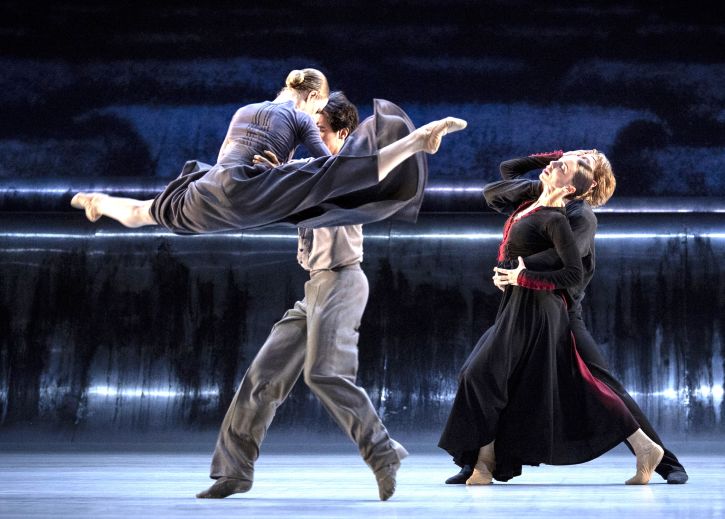
DANCE ICONS: Your choreography is quite distinctive. So even though the dancers are participating, it's very much your language, right?
JK: Of course, every choreographer has a certain sort of “handwriting.” But with that, one can write very different stories. I cannot change my character, the way I was raised, my experiences in life. I cannot change all that, but I can be selective of my experiences. Also, it’s very dependent on the group of people that I decide to work with.
DANCE ICONS: What is the most vulnerable moment for being the choreographer?
JK: Choreographing itself is frightening for each choreographer. A writer sits at home writing alone. Also, when a painter or a composer is creating, nobody’s looking over their shoulders. But choreographing is created in front of other people and with these people. And this is what is frightening. So as a composer, I can just tear up a sheet of music and nobody knows. But if I drill the dancers for two hours and it's all a pile of rubbish - well!...
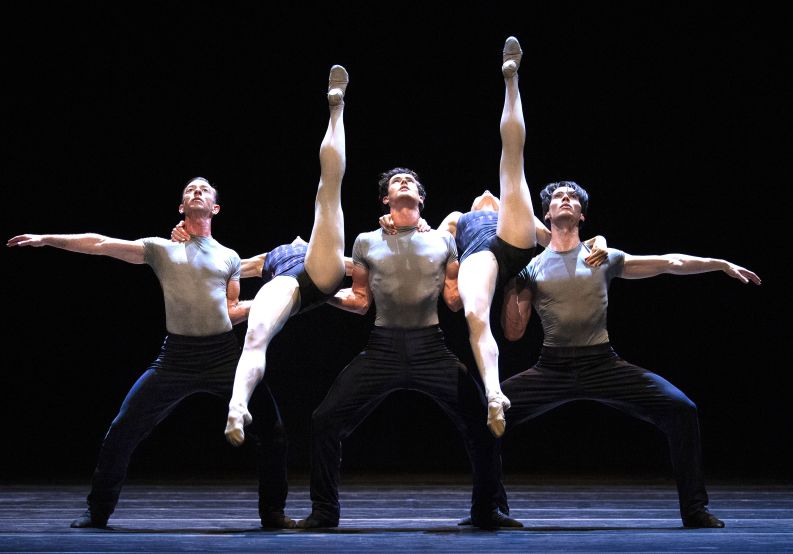
DANCE ICONS: When you make a piece, do you have the music beforehand?
JK: This has also changed quite dramatically. I used to work in the traditional way with music that was already written. But in that way, you are not a primary creator because you react on something that already exists and we, choreographers, want to say something that is specific to us, something that we don’t repeat according to a musical pattern. In later works, I’ve asked composers to compose music for me. But because of my love of music, Baroque music in particular, I usually incorporate into the composition some music from the Baroque times.
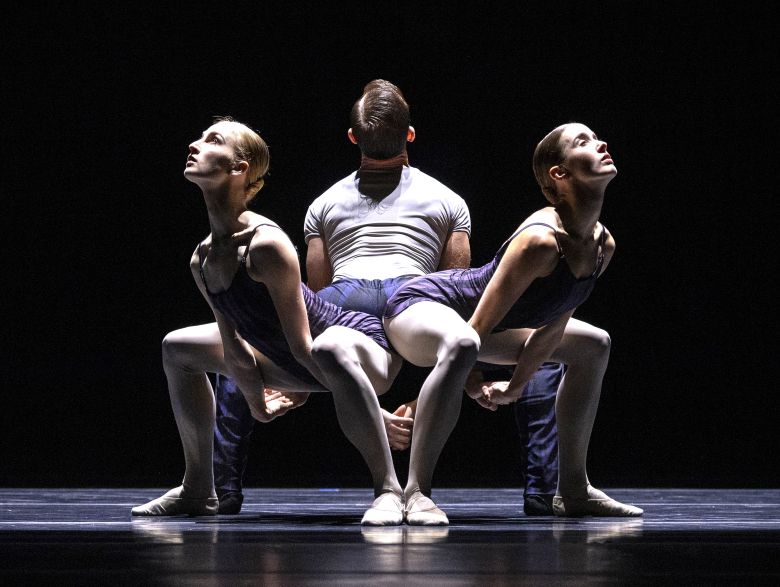
DANCE ICONS: Your extraordinary images: the pianist high on a pedestal in Tar and Feathers, the upside-down tree in Wings of Wax, where do these come from?
JK: Choreographing is a strange mixture of intuition and intellectual approach. It is rather inexplicable. Sometimes when I encounter my works later in my life, I understand more about it than when I created them years ago. We do a lot of things on intuition, and we don't ask particularly for the reason why. I prefer to leave this to the individual person in the audience. If they can make something out of it, I'll be very happy.
I always expect some kind of active participation of the public with the piece because I sometimes feel like I'm making just a black outline, like those children’s pictures where you fill in with your own colours something of your own life. It sounds like I'm trying to escape from actually explaining what the work is about but it’s not like that; I think that this kind of give and take between the creator and the public should always be present.
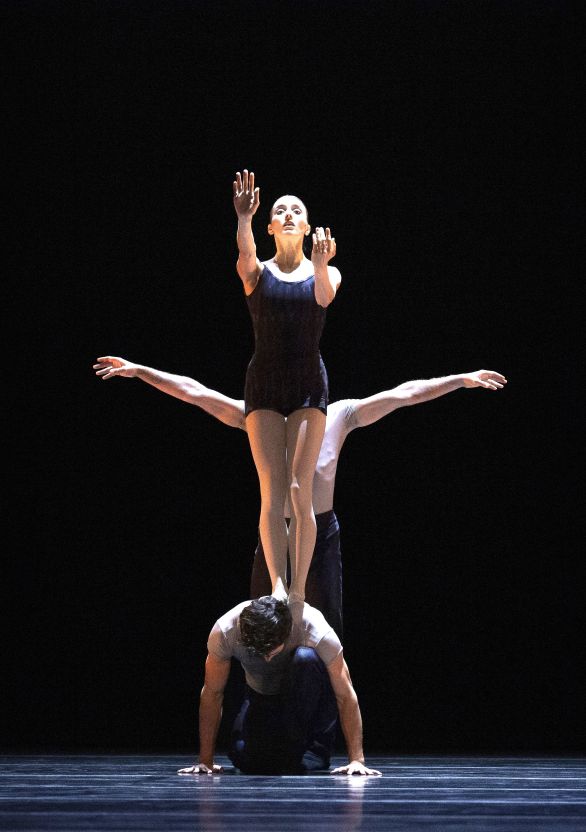
DANCE ICONS: You’ve told us how your choreographic style has changed, but has dance changed too?
JK: The development of dance and dancers has been unbelievable over the last years. Today, dancers are a very different species from some years back. The division between dancers who dance on pointe and dancers who dance barefoot is long gone.
Dance is now more accepted as part of our cultural landscape, but when I was young, it was the ugly sister of the other arts. It was something fairytale-like for children; I mean if you look at all the Swan Lakes, Nutcrackers, and Sleeping Beauties. I started dancing because I’d seen one of those ballets, so I’ve obviously nothing against them. But Pina Bausch, a great choreographer and a good friend of mine, said very simply: ‘I think that dance should be something more adult.’ These words stuck with me.
DANCE ICONS: You have inspired a whole generation of choreographers. At NDT did you encourage the dancers to choreograph?
JK: We started with workshops where the young dancers could choreograph and present their works in a professional way. My policy was that I gave chances to potential choreographers to create, but at the same time, I invited the very best young international choreographers to come and create.
I invited William Forsythe long before he directed Frankfurt. I invited Mats Ek before he became a famous choreographer. Hans van Manen was our resident choreographer and numerous company members became choreographers or artistic directors all over the world.
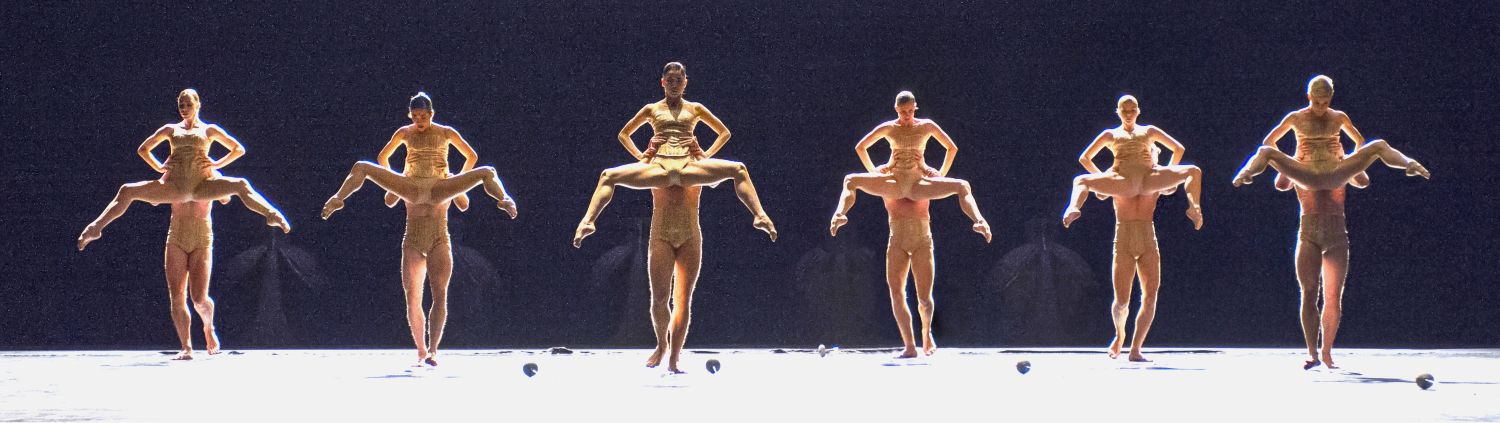
DANCE ICONS: What advice would you give to the next generation of dance artists and emerging choreographers?
JK: Dance teachers will tell you that you cannot dance classical technique with perfection—there is no such thing, there is no way. So, you have to adapt the technique to your abilities or to your deficiencies.
Also, dancers and choreographers are very fragile…very breakable and—we are an endangered species because we have decided that we will declare our body as a work of art. And it takes a lot of courage to actually open up and show yourself “naked.”
* * * * * * * *
Biography of Jiří Kylián can be found HERE
Photography: © Ioioio © Joerg-Wiesner © Erik Berg
Video Sample:
INTERVIEW’S CREATIVE TEAM ACKNOWLEDGMENTS:
Researcher and Creative Interviewer: Maggie Foyer
Programming Manager: Charles Scheland
Content Editor: Camilla Acquista
Founding and Executive Director: Vladimir Angelov
Dance ICONS, Inc., May 2026 © All rights reserved
This digital resource and publication were made possible with funding from

