
Join the ICONS
Dance ICONS is a global network for choreographers of all levels of experience, nationalities, and genres. We offer a cloud-based platform for knowledge exchange, collaboration, inspiration, and debate. Dance ICONS is based in Washington, D.C., and serves choreographers the world over.
Subscribe today to receive our news and updates. Become a member of your global artistic community -- join the ICONS!
PAM TANOWITZ : WITHIN A NEW LIGHT
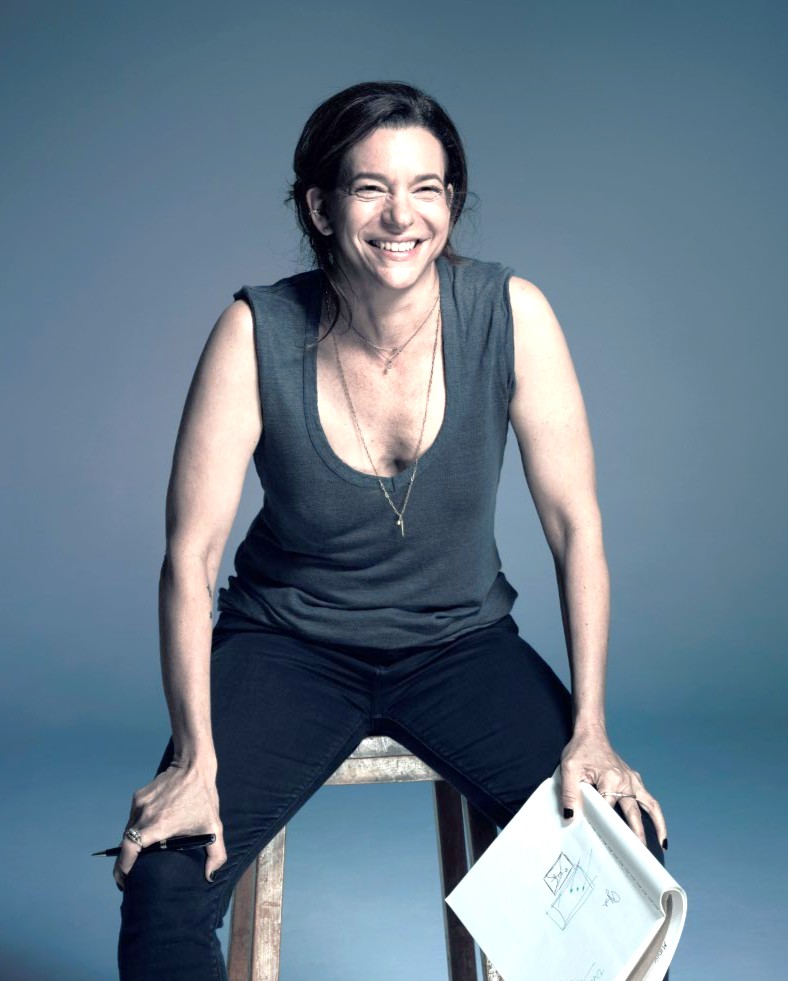
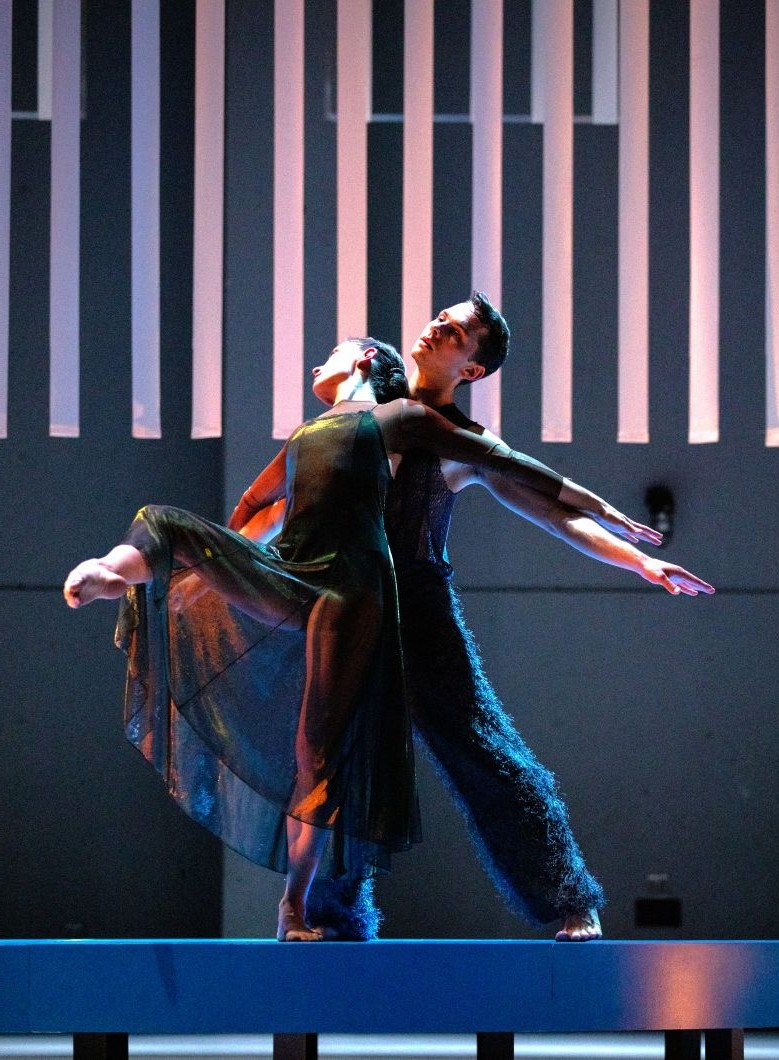
American choreographer Pam Tanowitz uses ballet dancers to challenge ballet’s conventions, casting its rigid placement of the arms, hips, and torso; relentless pursuit of perfection; and jewel-box ideal of “dance as woman,” as George Balanchine famously said, in a new light. She spoke candidly with ICONS about her craft, journey, and creative vision as an independent choreographer and artistic director of her own company.
Dance ICONS: How did your training lead you into choreography?
Pam Tanowitz: I started in modern dance. I grew up in Westchester and tagged along with a friend to a modern dance class at Steffi Nossen School of Dance, and I just kept going. I went to Ohio State University for dance, and I became more interested in creating than I was in working on my performing technique.
After graduating, I began creating dances in the city and making my own opportunities with a group of friends. When I was ready to pursue choreography professionally, I earned an MFA in dance at Sarah Lawrence, where I studied with Viola Farber, a founding member of Merce Cunningham’s company. She transformed my life and the way I work.
Looking back, I see those years as a gift: for my first 15 years in the dance world, no one knew who I was, so I could work without distractions.
 Dance ICONS: How did your job in the administration at New York City Center shape your choreographic interests?
PT: Every day job influenced me. At City Center, I worked from 10 to 6 and rehearsed from 6 to 9 each night, preparing during the day before heading downstairs to the studio. As a result, I created all my dances there during the first 15 years of my career.
The job also gave me exceptional access to dance. The subscription featured Cunningham, ABT, Paul Taylor, Ailey, and Graham, and I could watch the companies at work. I saw Paul Taylor observe his own pieces, Mark Morris rehearse, and Twyla Tharp work with ABT. Watching masters practice their craft during my workday greatly expanded my knowledge.
Dance ICONS: What kind of preparation do you do before starting each new work, for instance: artistic and movement research, storyboarding, etc.?
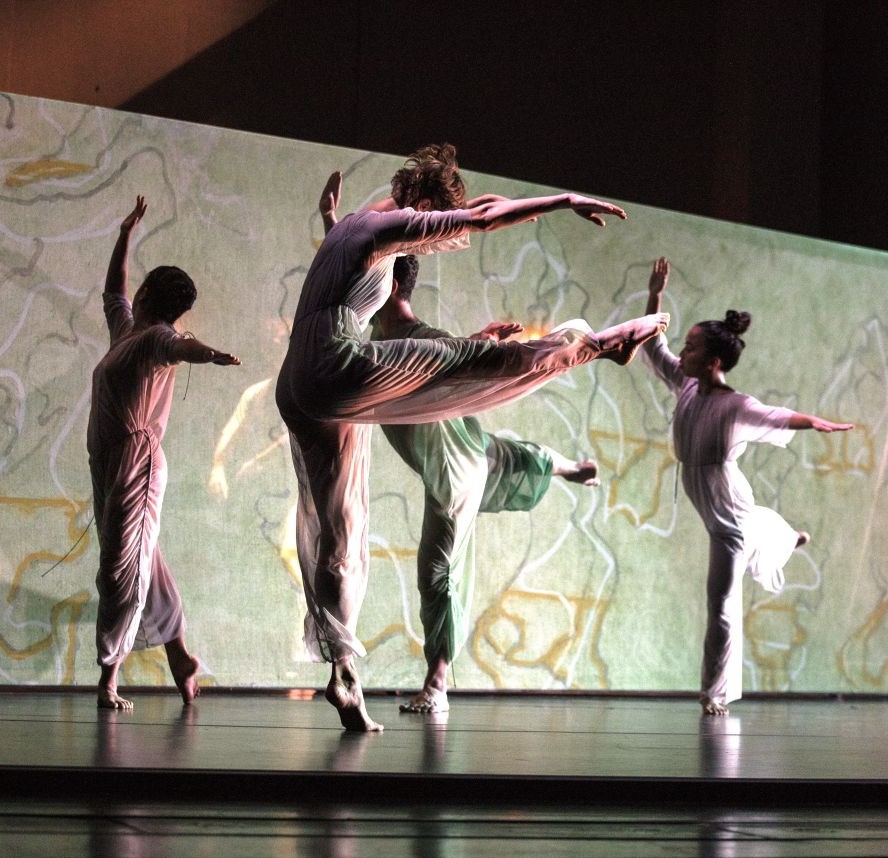
PT: I do research for every new work. For my company’s new piece, Pastoral, I listened to the Beethoven work that inspired the commissioned score. I begin by reading widely, listening to music, and sketching ideas. Then I work alone in the studio before rehearsing with the dancers. These are two parallel lines of inquiry: exploring what I have learned on my own and discovering what emerges with the dancers. I prepare a large amount of material, then refine it into specific steps.
Dance ICONS: Is there subject matter that is recurring in your work? Is that on purpose?
PT: Pastoral is very much a group dance, partly in response to my previous work, Song of Songs, which was divided into sections—a solo, a duet, and other distinct parts. Much of my work responds to what came before. I often revisit material from earlier pieces—something I felt failed, needed further exploration, or could challenge me more. Sometimes I even reuse an exact step.
I often carry a phrase or two from an earlier piece into a new one, then disguise and develop it further. As a result, my works are connected through shared steps presented in new ways or through reactions to what I created before.
 Dance ICONS: You have maintained an ongoing relationship with the Fisher Center at Bard College as its first Choreographer-in-Residence. How has that partnership shaped your work?
PT: I presented a work there in 2015. Afterward, Artistic Director Gideon Lester asked about the title of one piece, Broken Story (Wherein There's No Ecstasy), a line from T. S. Eliot’s Four Quartets. When I told him I had carried the poem with me for 15 years, he said it was also his favorite and noted that an anniversary of Four Quartets was approaching in 2018. He then asked whether I would consider creating a dance to it.
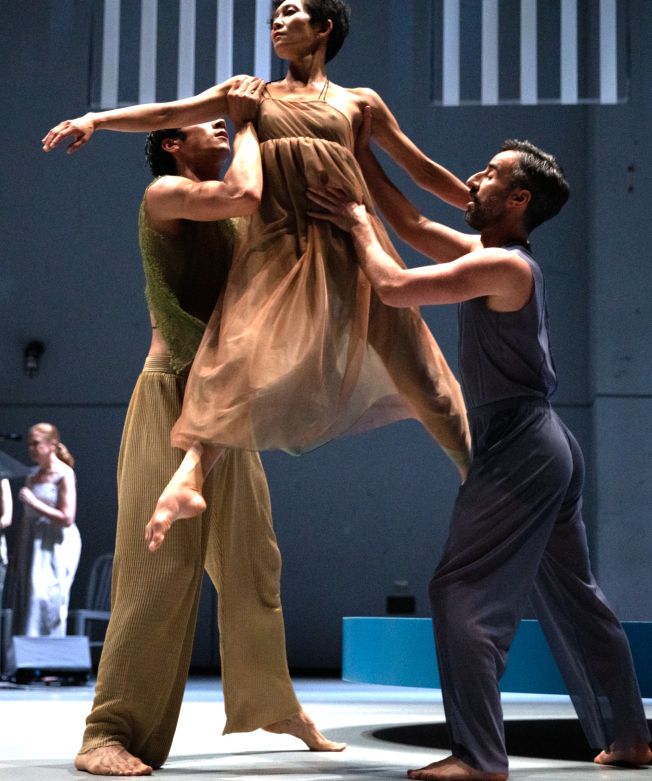
That conversation started the partnership in which Gideon and Bard pushed me artistically to create the piece and continue challenging boundaries. Few venues support large-scale new dance; most work is presented in black-box or smaller theaters. Bard lets me think expansively and take risks. That freedom matters because artists need room to experiment without fearing that one unsuccessful work will end future opportunities.
Dance ICONS: You often premiere work with live music and the musicians on the stage as part of the piece. Why, and what does that bring to your creation?
PT: I see live music as an extension of how I rehearse with dancers. If a dancer makes a mistake, I may keep it because it reveals a human moment. Musicians are also performing live, so why pretend they are not there? I like exposing the seams of performance and making room for that humanity and humility.
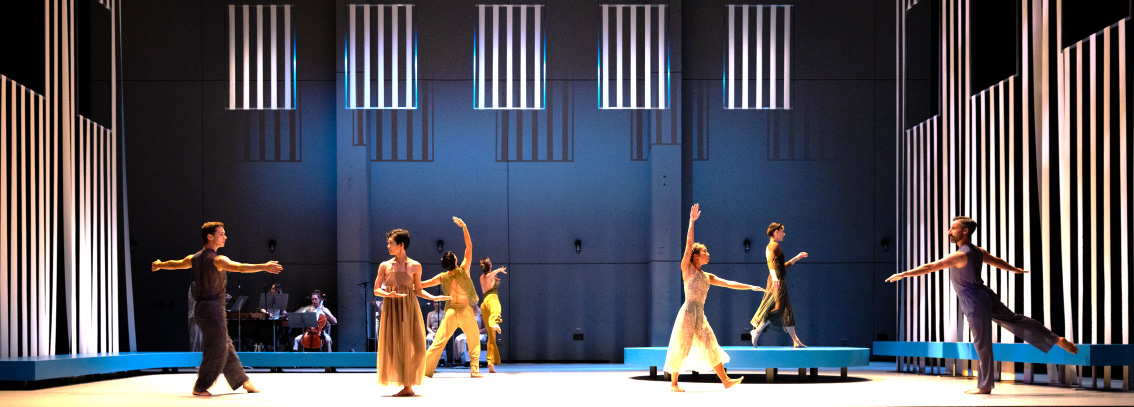
Dance ICONS: What can you share about your upcoming productions and projects?
PT: Pastoral will travel to Luxembourg and the Barbican in London. At New York City Ballet, I am creating Adrian Danchig-Waring’s farewell ballet for Adrian, Unity Phelan, Indiana Woodward, and Mira Nadon, set to a Beethoven string quartet. For the first time in my work, the musicians will perform from the pit. The ballet opens October 16. For Paul Taylor, my piece Messengers, Maidens and the End of Something Else will have its New York City premiere on November 8, following its premiere at ADF this summer.
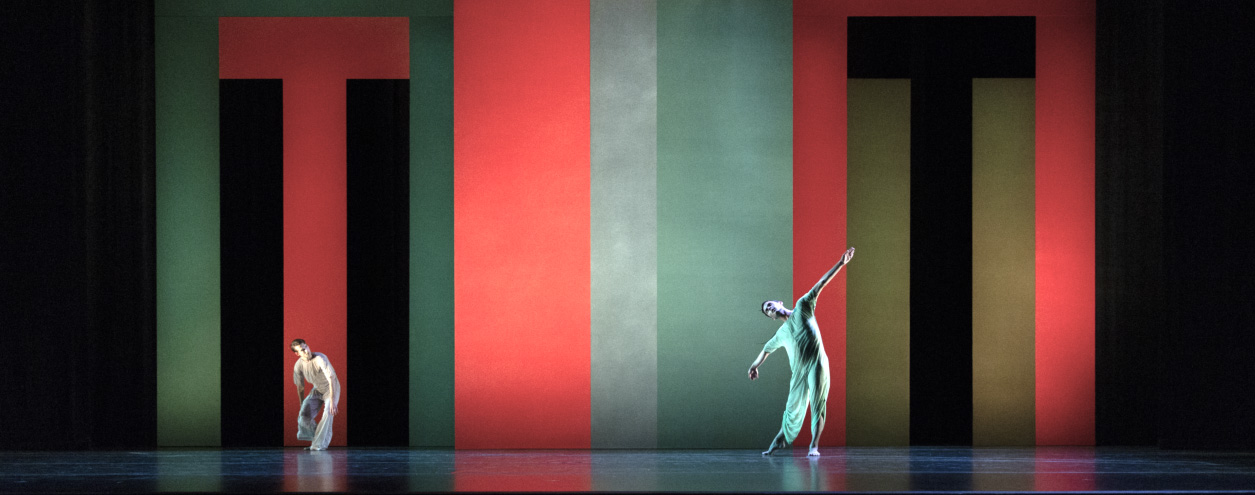
Dance ICONS: How do you adapt your creativity when working with companies as varied as Paul Taylor Dance Company, Martha Graham Dance Company, the Royal Ballet, New York City Ballet, and your own ensemble?
PT: When I work with different companies, the key question is what I can contribute as choreographer. At Taylor, Graham, or in the ballet world, I ask why they invited me when they already have artists who can create within their established traditions. My role is to honor each company’s legacy and archive while also moving it forward with my vision as an artist. With respect to the past, my passion is to create for the future.
* * * * * * * *
Biography of Pam Tanowitz can be found HERE .
Photos: © Rick Guest with Olivia Pomp © Maria Baranova © Lawrence Sumulong
Work Samples videos:
Interview -- The Making of Pastoral:
Pastoral -- Trailer from the premiere in 2025:
INTERVIEW’S CREATIVE TEAM ACKNOWLEDGMENTS:
Interviewer and Programming Manager: Charles Scheland
Content Editor: Camilla Acquista
Founding Director: Vladimir Angelov
Dance ICONS, Inc., October 2026 © All rights reserved
This digital resource and publication were made possible with financial support and funding from

